Hundreds of serverless functions powering an entire suite of apps.
The challenge
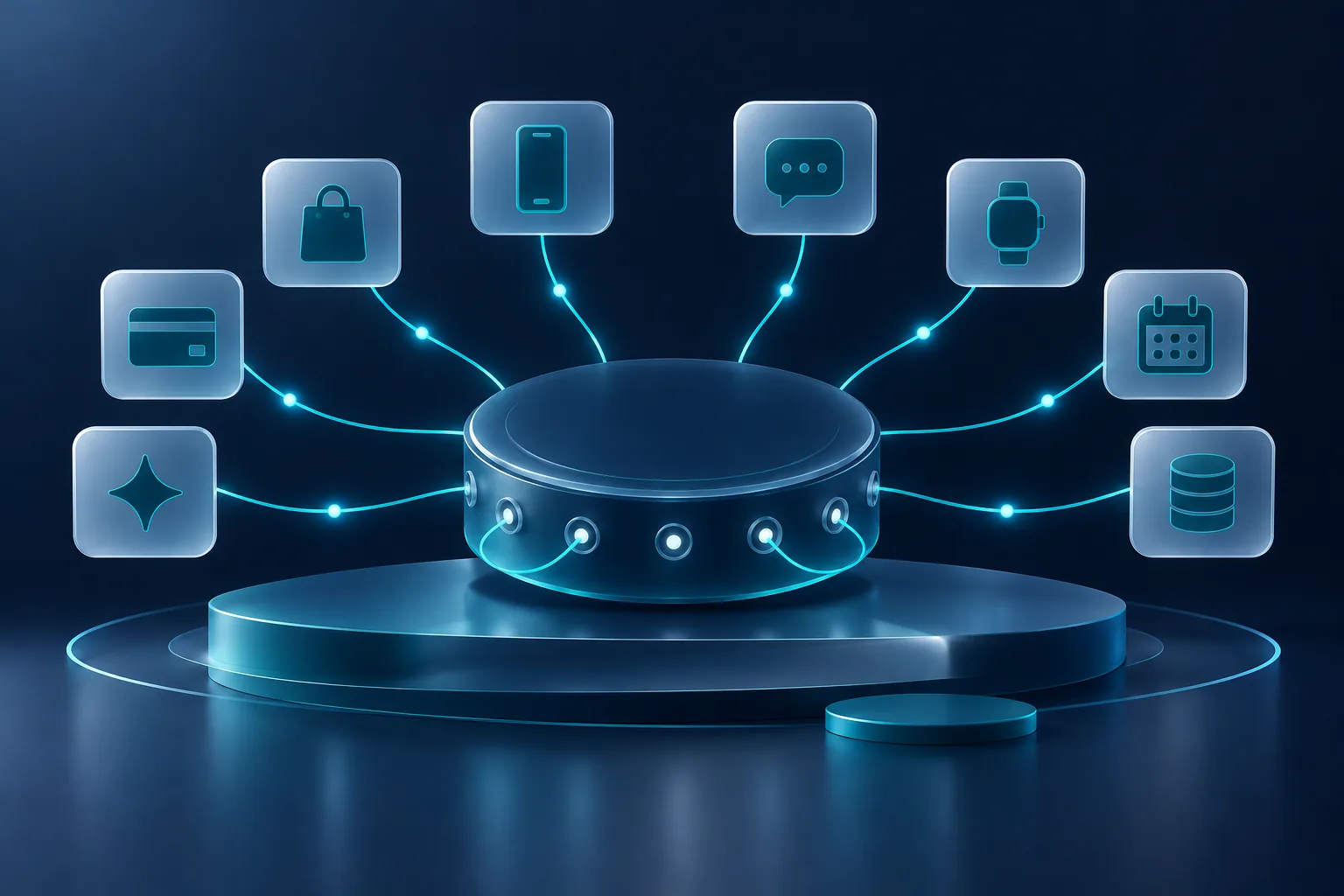
A growing suite of apps each needed payments, messaging, AI, devices and third-party integrations. Rebuilding those in every app would have been slow, inconsistent and hard to secure.
Our approach
We centralised the back end into one serverless hub with a typed SDK and an admin console, so every app integrates the same way and new features ship on proven building blocks.
Everyday impact
New apps launch on proven building blocks instead of rebuilding integrations each time.
What we built
One back end covers payments, commerce, SMS, push, voice, connected devices, shipping and AI services.
A shared SDK wraps invoke, chat, SMS, push and voice, and a live catalogue records each function’s parameters and auth.
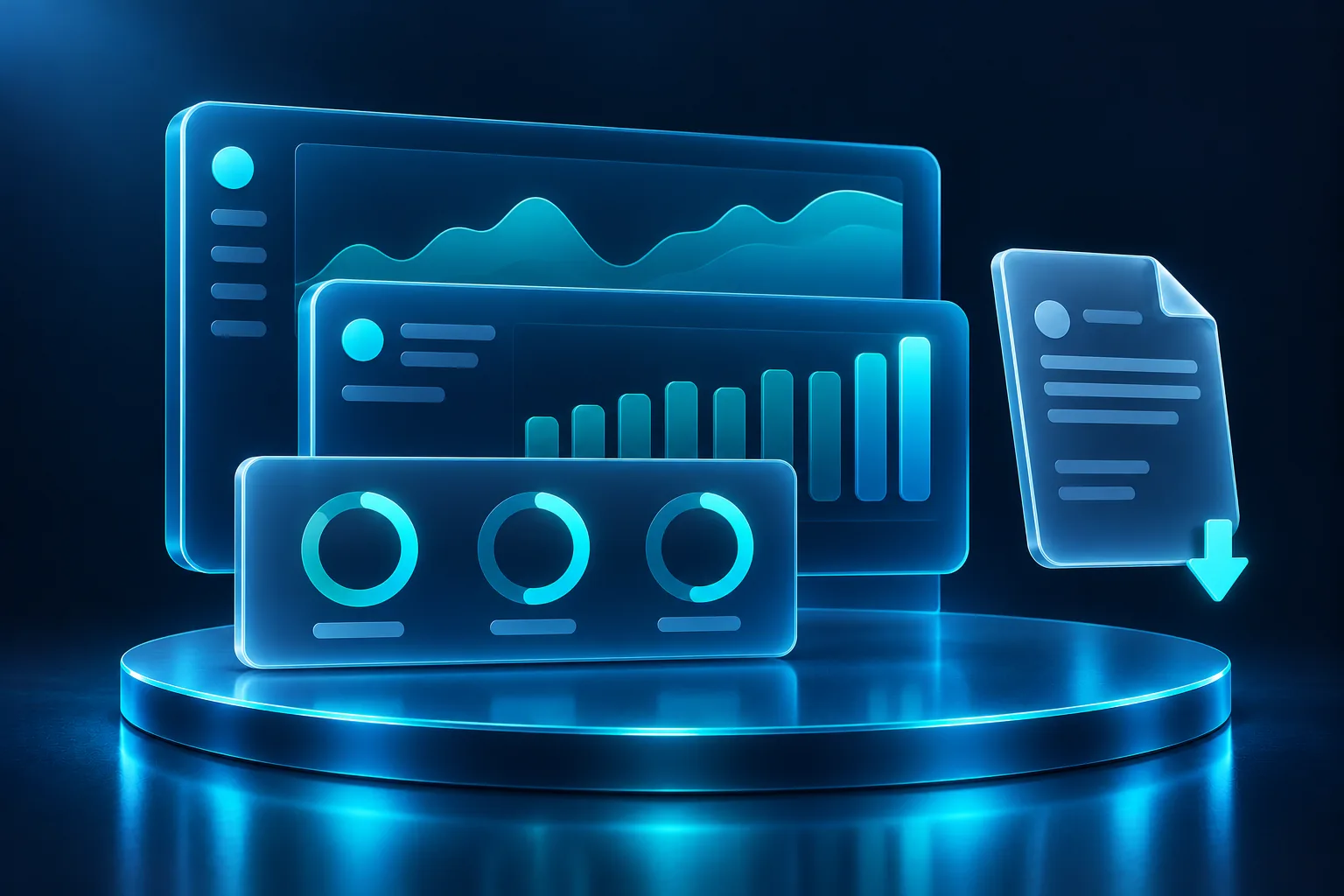
Browse and deploy functions, manage scheduled jobs and database procedures, review AI agents and watch database health.
Checkouts, subscriptions, webhooks and reconciliation run through one consistent layer.
Assistants, knowledge-base search, voice agents, transcription, content generation, safety checks and evaluations.
Practice-management, wearables, shipping and communications providers connect through webhooks.
How it works
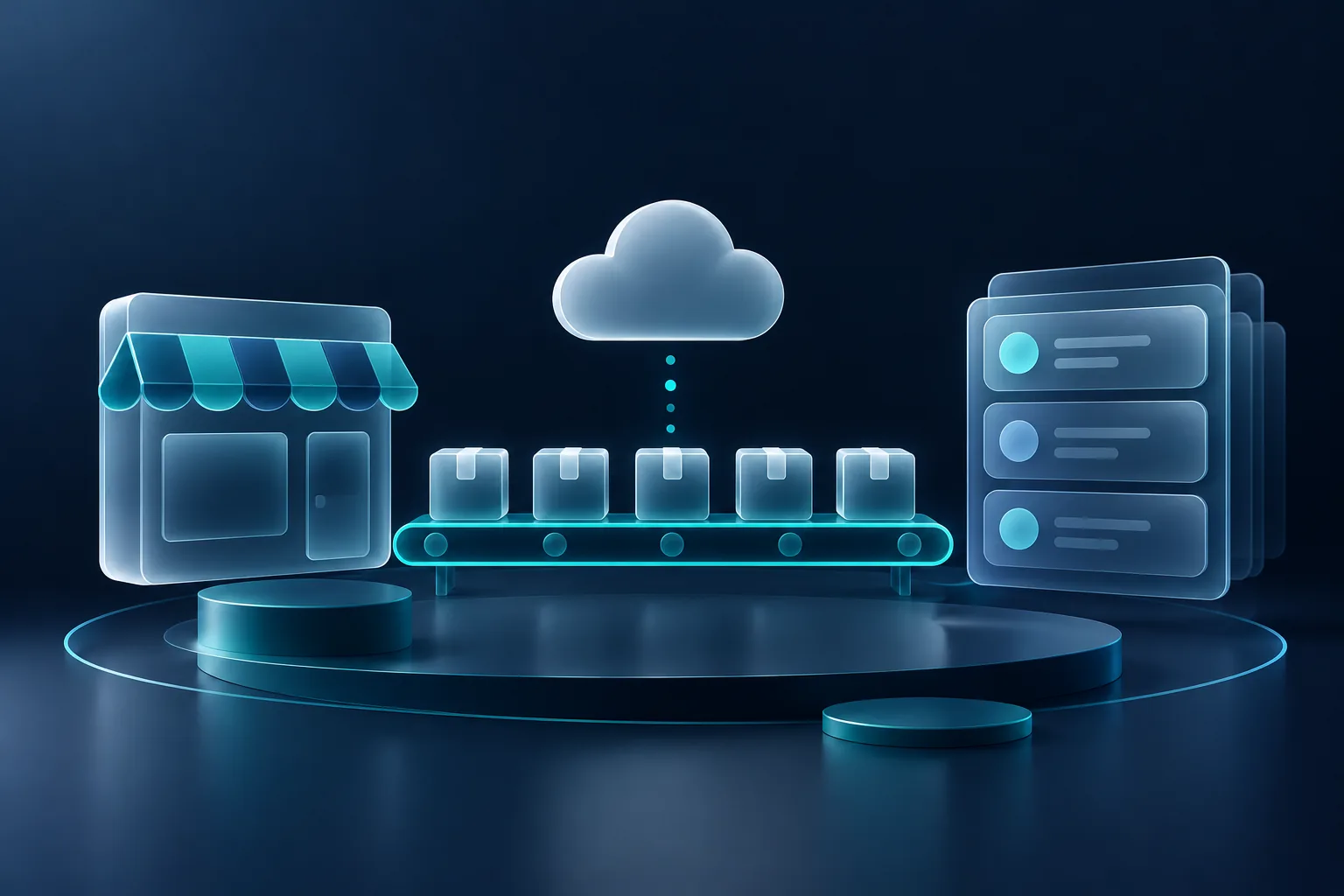
An app calls a function through the typed SDK.
The hub handles auth, the third-party integration and data storage.
Webhooks from providers flow back in and update records.
Admins monitor, deploy and schedule everything from one console.
More work
Start a conversation
Tell us what you’re trying to build. We’ll talk through how we’d approach it and what a sensible first step looks like.